
Bengali identity is not always easy to explain. Sometimes it appears in the language we speak at home. Sometimes it comes through a familiar song, a particular way of celebrating a festival, or the food we look forward to on a Sunday. It can also be found in the stories our grandparents tell and the local expressions we carry from one generation to the next.
But there is no single checklist that makes someone Bengali.
A person may grow up speaking Bangla every day. Another may understand it but speak mostly in English. One may feel connected through Durga Puja, while another finds that connection in Eid, literature, music, or family traditions. Some live in Bengal. Others have never lived there.
They can all have a meaningful connection to Bengali identity.
So, what makes someone a Bangalee? The answer lies in a mix of language, memory, culture, place, and personal experience. And often, it is the little things that say the most.
Bangla is a language but also a feeling
For many Bengalis, the first connection with their identity begins with language.
Bangla is the language of family conversations, childhood stories, jokes, songs, arguments, and affection. Certain expressions carry a warmth that can be difficult to reproduce in another language. A simple bhalo achho? (Are you well?) can feel different when spoken to by someone close to you.
Language also connects generations. A grandmother’s stories, a parent’s familiar expressions, and a child’s first rhymes can become part of a shared cultural memory.
Yet Bengali identity cannot be measured by fluency alone. Many people from Bengali families grow up speaking English, Hindi, or another language. Some understand Bangla but struggle to read or write it. Others speak regional varieties that differ from the Bengali taught in schools.
These differences do not automatically make their connection less meaningful.
Bengal has never been linguistically uniform. Local speech forms and regional identities have long shaped how people understand themselves. Historian Willem van Schendel points out that Bengali identity has often been presented through a standardized language, even though everyday speech across the region is far more varied.
Perhaps the better question is not whether someone speaks perfect Bangla. It is whether the language, in some form, remains part of their personal or family world.
The food we remember
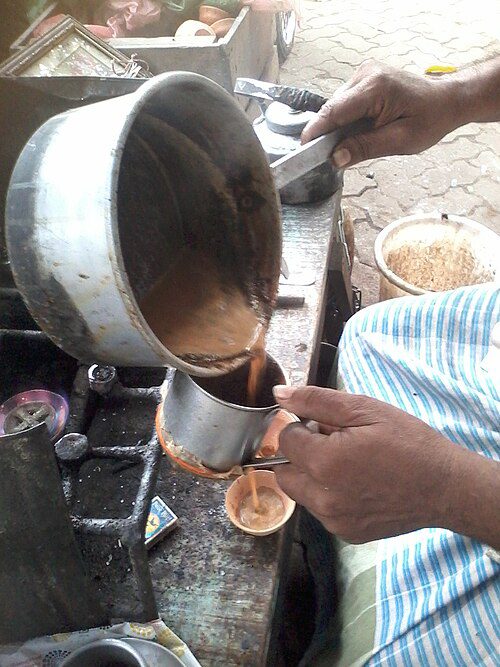

Food is another familiar part of Bengali life. But it is not simply about fish, rice, and sweets.
It is about the small habits around a meal. The preference for a particular preparation of fish. The debate over how much mustard paste a dish needs. The comfort of dal-bhaat after a tiring day. The excitement of a special meal during a family gathering.
For some, it is shukto before the main course. For others, it is luchi-alur dom on a Sunday morning, khichuri on a rainy afternoon, or a favorite sweet brought home from a local shop.
And then there are the regional differences.
Food habits in the Rarh region, North Bengal, the Sundarbans, and the districts bordering Bangladesh are not identical. Nor are the culinary traditions of West Bengal and Bangladesh. Migration, religion, local produce, family history, and economic circumstances have all influenced what people cook and eat.
Not every Bengali enjoys fish. Not every household follows the same meal pattern. Vegetarian Bengali food has its own long and varied traditions.
Food can be a strong marker of belonging. But it should not become a test of identity.
Festivals bring different communities into the picture

Festivals are visible expressions of culture. They also show why Bengali identity cannot be reduced to one religious or social experience.
In West Bengal, Durga Puja is a major public and cultural event. Its preparations extend well beyond the days of worship. Neighborhoods plan celebrations, artisans work on images, families meet, and people visit pandals. For many, the festival is tied to childhood memories and the changing seasons.
But Bengali life includes many other celebrations.
Eid is an important occasion for Bengali Muslim families. Poila Boishakh, the Bengali New Year, is observed in different ways across communities. Saraswati Puja, Kali Puja, Christmas, and local fairs also form part of the region’s cultural calendar.
The ways people celebrate can differ by district, religion, family, and personal choice. Some take part in large public events. Others prefer a quiet gathering at home.
The important point is that a shared regional identity can accommodate different religious lives. Bengali culture is not the property of one community.
Adda, stories, music, and the pleasure of conversation
There is a particular pleasure in a conversation that refuses to end.
A group of friends meets for tea. One topic leads to another. Someone brings up a film. Another disagrees. Soon, the discussion has moved from football to politics, books, food, or an old school memory.
This familiar habit is often called adda. It is an informal conversation that can happen in a college canteen, a tea stall, a living room, or a neighborhood corner.
Adda is not exclusive to Bengalis. People everywhere enjoy long conversations. But it has a recognizable place in Bengali social and literary life. It has also helped ideas travel between writers, artists, students, and ordinary readers.
Literature and music offer other ways to stay connected. The songs of Rabindranath Tagore, the poetry of Kazi Nazrul Islam, the writings of Jibanananda Das, and the films of Satyajit Ray have reached audiences far beyond Bengal.
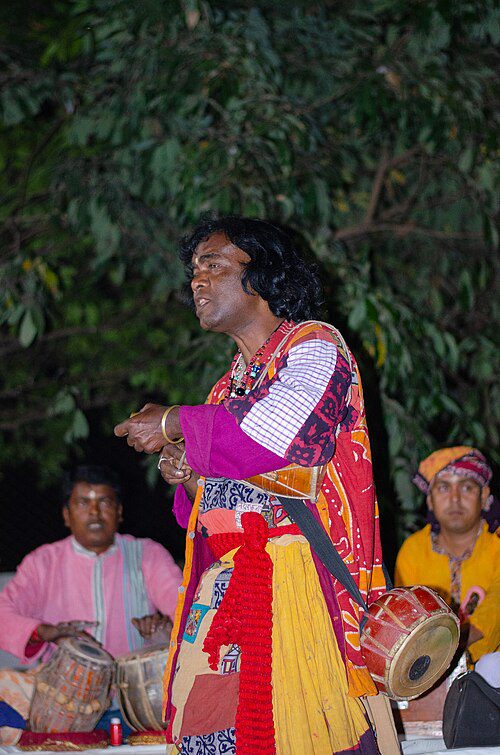
Yet Bengali culture does not belong only to its most famous names. It also lives in local theater groups, folk songs, village performances, little magazines, school recitations, and the books passed between friends.
You do not need to know every Tagore song or quote a famous poem to feel Bengali. Enjoying one song that reminds you of home can be enough.
The small habits that feel familiar
Identity often lives in ordinary routines.
It may be the habit of taking tea in the afternoon. It may be the way a family discusses a cricket or football match. It may be the excitement of buying new clothes before a festival, visiting a book fair, or stopping at a familiar sweet shop.
For some, it is reading the newspaper in Bangla. For others, it is watching a Bengali film with family or following a local football club.
There are also habits that are less visible. A particular form of greeting. A phrase used only by older relatives. A recipe remembered by taste rather than measurement. A song that everyone in the family knows, even if nobody remembers who first sang it.
These details are not universal. They are not even limited to Bengalis. But when they are passed through families and communities, they can become part of a shared sense of belonging.
That is one reason the Bengali lifestyle cannot be described through a fixed list of customs. It changes from home to home.
Bengal is not one uniform cultural space
It is easy to speak of Bengali culture as though everyone shares the same experiences. The reality is more varied.
A person from Darjeeling may have a different cultural environment from someone in Howrah. A family in Malda may preserve customs that are less familiar in Kolkata. The lives of people in the Sundarbans, Purulia, Cooch Behar, and the Barak Valley cannot be represented by one urban picture of Bengal.
Religion, caste, class, occupation, migration, and language also shape people’s experiences.
The same is true across the international border. West Bengal and Bangladesh share a language and many cultural connections. But their political histories and social experiences have taken different paths. Bengali identity in the two places is related, but it is not identical. Academic research has also shown how local, religious, and regional identities exist alongside wider Bengali identity.
This matters because no single group can speak for every Bengali. The familiar image of the urban, educated bhadralok (a term historically associated with the respectable, educated middle and upper-middle classes) is only one part of a much wider story.
A fuller understanding of Bengali identity must make room for rural communities, working people, different religious groups, regional languages, and people whose lives do not fit the familiar cultural picture.
Bengali identity can travel beyond Bengal
A Bengali family living in London, New Jersey, Mumbai, or Singapore may have a different daily routine from a family in Kolkata or Krishnanagar. Their children may attend schools where Bangla is not taught. Their closest friends may come from many backgrounds. Their festivals may be celebrated at home or through a local Bengali association.
Still, connections can survive distance.
A family may cook a familiar dish during a festival. Parents may teach their children a few Bengali songs. Someone may look forward to a visit to Bengal every year. Others may stay connected through books, films, online communities, or conversations with relatives.
Some may feel Bengali deeply without following every tradition. Others may discover their connection later in life, perhaps after moving away from home.
This is not unusual. Identity is not frozen at birth. It grows through experience, relationships, and choices.
So, what makes you a Bangalee?
There is no single answer.
It may be the language you speak. It may be the language you wish you spoke more often. It may be a family recipe, a song, a book, a festival, a childhood memory, or a place you still call home.
It may also be something less obvious. A way of looking at the world. A phrase that makes you smile. A familiar sound that brings back a person or a time in your life.
And your version of Bengali identity may be different from someone else’s. That does not make either version less valid.
Perhaps the little things matter because they are personal. They are not always written in history books or displayed at cultural events. They are carried quietly through everyday life.
Being a Bangalee does not require you to fit a cultural stereotype. It is a connection you inherit, build, question, and sometimes rediscover.
And that connection can take many forms.