
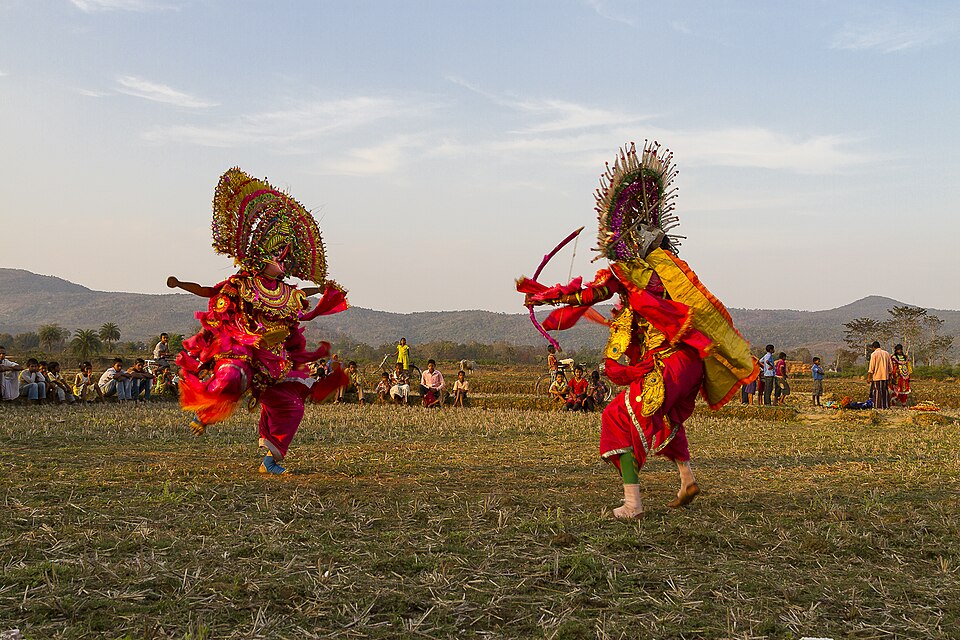
Purulia Chhau: Masks, Movement, and the Stories Behind the Performance
In Purulia, a Chhau performance can turn an ordinary village ground into a stage for gods, demons, warriors, and mythical

Think about the distinct smell of wet earth after a sudden monsoon shower. In one district, it smells like red clay and baul songs. In another, it blends with the salty breeze of a tidal river.
Bengal is not just a single state on a map. It is a vibrant tapestry woven from completely different landscapes, dialects, and traditions. Every district has its own rhythm, culinary secrets, and architectural marvels. Travelling through Bengal feels like stepping into a collection of short stories where every page surprises you.
If you are a curious Bangalee looking to reconnect with your roots, take a sip of your tea and join us on a journey across the distinct terrains that define our homeland.
Every journey across Bengal eventually leads back to its intellectual and cultural heart. The state capital is a place where centuries-old mansions stand proudly beside modern cafes and where conversations flow freely at every street corner.
Kolkata is defined by its grand historic architecture, literary legacy, and electric enthusiasm for life. Walking down North Kolkata’s narrow lanes feels like stepping back in time. Intricate cast-iron balconies, yellow cabs, and tram lines evoke a deep sense of nostalgia. The city’s unique charm lies in its ability to celebrate its past while embracing the future.
Kolkata: Where history and daily life intertwine seamlessly.
Beyond the concrete and historical landmarks lies a deep passion for food, art, and community gatherings. From sipping tea in earthenware cups at a roadside stall to browsing rare books along iconic avenues, the city keeps your spirit alive. You can discover more about the city’s hidden lanes and historic monuments in our dedicated guide to Kolkata.
Travel north along the Bhagirathi River, and you enter a district steeped in regal history. Murshidabad was once the wealthy capital of Bengal, Bihar, and Odisha, attracting traders from across the globe.
The air here still carries echoes of royal courts, dramatic historical turning points, and architectural splendor. The grand Hazarduari Palace, with its thousand real and false doors, stands as a testament to an era of unmatched opulence. European traders, including the Dutch, French, and British, left behind distinct influences that shaped the district’s unique visual heritage.
Murshidabad is equally famous for its traditional crafts and legendary kitchen traditions. Fine Baluchari silk sarees, intricate ivory carving heritage, and rich Mughal-inspired cuisine make this region a treasure trove for culture lovers. Learn more about the fascinating accounts of its royal past documented on Wikipedia.
Moving west, the landscape transforms dramatically. The lush green plains give way to undulating red soil, sal forests, and rugged rock formations. This is the heartland of folk traditions and artistic expression.
The Artistic Terracotta Legacy of Western Bengal
Birbhum is deeply spiritual and artistic. It is home to peaceful ashrams, ancient terracotta temples, and the soulful philosophy of wandering minstrels. Santiniketan, founded by Rabindranath Tagore, turned this red land into a global center for open-air learning and seasonal festivals. The gentle tunes of the ektara echo across weekly rural markets, inviting travelers to slow down and listen. Explore the unique geography and cultural heritage of this region in our detailed feature on Birbhum.
Further south-west lies Purulia, a land of ancient hills, waterfalls, and vibrant tribal arts. Purulia is famous for its energetic Chau dance, a martial folk art featuring massive colorful masks and athletic acrobatics. The raw energy of Purulia offers a refreshing escape for anyone seeking lesser-known places to visit in West Bengal.
Bengal’s geographic diversity is truly astonishing. Within a few hours, you can travel from the world’s largest mangrove forest to the towering peaks of the Eastern Himalayas.
In the extreme south lies the Sundarbans, a mysterious maze of tidal rivers, dense mangrove swamps, and silent waterways. It is a UNESCO World Heritage site known for its unique ecosystem, where humans and wildlife coexist in delicate harmony. Villagers worship forest deities for protection before venturing into the dense woods. You can read more about the conservation efforts and delicate biodiversity of this tide country at UNESCO.
Heading up north, the air grows crisp and cool. North Bengal stretches from lush tea gardens and misty hill stations to rich wildlife sanctuaries. The misty slopes of Darjeeling, the wild forests of Dooars, and the heritage towns of Cooch Behar offer a completely different slice of Bengali life. Get ready to plan your next mountain getaway with our insider travel guide to North Bengal.
Why do these regions hold such a strong grip on our imagination? Because each landscape reflects a different side of who we are.
Whether you find peace in the red soil of Birbhum, energy in the crowded streets of Kolkata, or quiet awe under the shade of mangrove trees, Bengal has a corner for every mood. Exploring these regions is not just about tourism. It is about understanding the stories, flavors, and traditions that built our collective identity.
Is there a quiet village, a misty hill road, or a historic riverside spot that always calls you back? Share your favorite travel stories in the comments below, send this post to your favorite travel buddies, and let us keep exploring together!
In Purulia, a Chhau performance can turn an ordinary village ground into a stage for gods, demons, warriors, and mythical

North Kolkata is a part of the city best explored on foot. Its narrow streets, old residential buildings, and traditional