

Chhath Puja 2026 in Bengal: Dates, Rituals, and Traditions
On a November evening in Kolkata, the banks of the Hooghly can take on a different appearance. Families gather near

Have you ever caught the scent of damp earth and shiuli flowers on an early autumn breeze, only to feel your heart race a little?
That sweet, crisp air means one thing. The distant, booming rhythm of the dhak is right around the corner.
If that feeling gives you goosebumps, you already understand the magic of Bengali culture. It gets under your skin. It stays with you, no matter where you go.
You might be sipping steaming tea in a quiet lane of North Kolkata. You might be grinding through a busy workday in Bengaluru or London.
Either way, being a Bangalee isn’t about a place on a map. It is a shared state of mind.
It is a blend of grand celebrations, quiet nostalgia, and endless conversations.
At BangaLee, we believe everyone can find a piece of themselves in these living traditions. Let’s take a stroll through the stories, art, and quirks that make Bengal feel like home.
Around here, we have an old saying: Baro mase tero parbon. Thirteen festivals in twelve months.
Honestly, that might even be an understatement.
People everywhere know about Durga Puja. The massive art installations and glowing street lights have even earned a spot as UNESCO Intangible Cultural Heritage.
The artistic splendor of Kolkata’s grand Durga Puja celebrations. Source: Getty Images
However, the festive spirit runs deep all year long.
Winter brings Poush Sankranti, filled with the aroma of roasted rice flour and fresh date palm jaggery (nolen gur). Spring turns everything vibrant with Dol Jatra in Shantiniketan.
These celebrations are special because they bring everyone together.
Community pujo pandals act as open-air art galleries for everyone to enjoy.
At home, quiet rituals like Lokkhi Puja preserve delicate traditions like hand-painted rice paste patterns (Alpona).
Every season gives us a new reason to pause, eat well, and celebrate together.
If festivals are the pulse of Bengal, then adda is its beating heart.
An adda isn’t just idle chatter. It is an art form. It is an informal club, an emotional release, and a daily ritual rolled into one.
Give a few Bengalis an earthen cup of bharer cha, a bench, and an hour to spare. They will cheerfully solve global economics, analyze a Satyajit Ray movie, and debate the best way to cook Hilsa fish before dinner.
You will find addas happening everywhere. On neighborhood verandas (roak), around tiny tea stalls, and inside historic coffee houses.
As writers at the Telegraph India often point out, the classic Bengali adda is democratic in its purest form. Age, job titles, and status simply fade away over warm tea and lively debates.
Beyond the grand festivals, culture lives in small daily habits.
Take Alpona art. These sacred floor patterns were traditionally painted with rice paste to welcome good fortune. Today, you can see these eco-friendly designs decorating modern wedding venues and street festivals.
Then there are Sankha and Pola—the classic conch shell and red coral bangles. Married women wear them as sacred traditions, but today they also double as timeless ethnic style statements.
Even old saris find new life through Kantha embroidery. Generations of women have layered soft cotton fabrics, stitching running threads to tell personal family stories. Today, those same patterns inspire high-fashion runways across the globe.
Simple acts, like placing a brass pot filled with water and mango leaves (Ghot Bhorano) at the doorstep, keep us connected to our roots during new beginnings.
Beyond city life lies Bengal’s soulful rural heart.
Think of the wandering Bauls of Birbhum. Wearing saffron robes and strumming a single-stringed ektara, they sing about love, life, and human connection that goes beyond boundaries.
A traditional Baul minstrel sharing soulful folk melodies. Source: Getty Images
Folk art takes many captivating shapes across the countryside:
Patachitra & Patter Gaan: Scroll painters who slowly unroll long painted canvases while singing stories to the crowd.
Chhau Dance: A high-energy masked dance drama from Purulia that brings ancient epics to life with powerful leaps and acrobatics.
Gambhira & Jhumur: Earthy performance arts that mix sharp social humor, rhythm, and local storytelling.
Preserving heritage doesn’t mean staying trapped in the past. It means bringing it along into our modern lives.
It looks like wearing a crisp Taant sari to a corporate office. It sounds like streaming Rabindra Sangeet on your phone during a morning train ride. It means telling these old stories to young, curious minds.
Bengali culture is warm, expressive, and always changing.
Whether you are reconnecting with childhood memories or discovering these traditions for the first time, there is always a new story to hear. And there is always an extra chair waiting for you at the adda table.
Discover timeless melodies and classic films in our Music & Cinema section.
Explore regional tales, historic sites, and hidden travel spots across West Bengal.
Step into the world of iconic authors and historic publishing houses under Books & Publishing.
On a November evening in Kolkata, the banks of the Hooghly can take on a different appearance. Families gather near
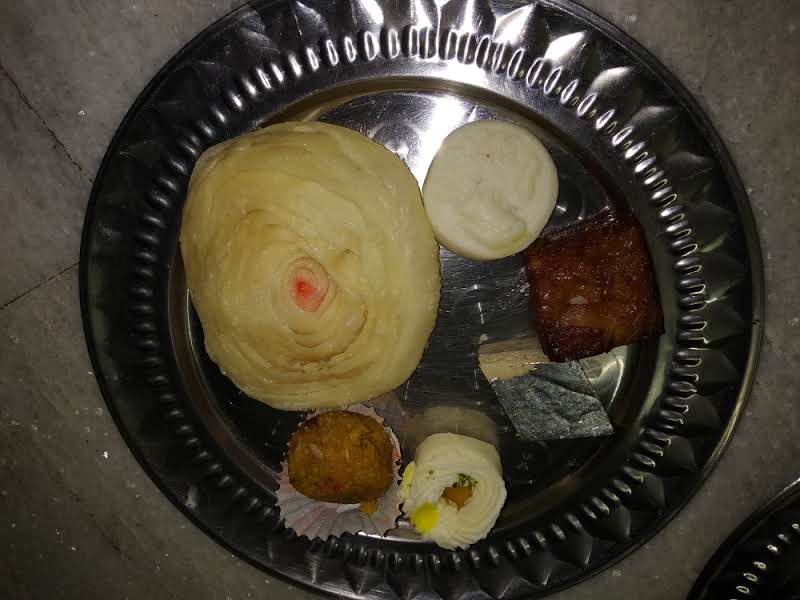
Bhai Phonta 2026 will be celebrated on Wednesday, 11 November 2026, corresponding to 25 Kartik 1433 in the Bengali calendar.
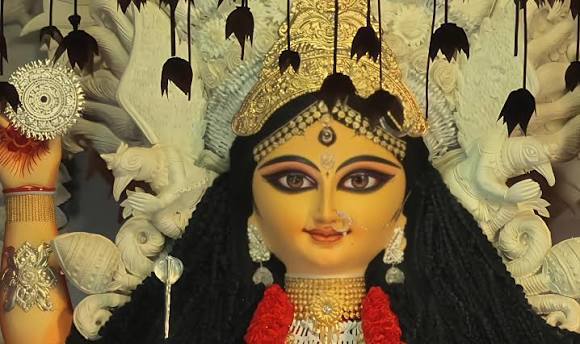
There is a particular point in Bengal’s festive calendar when the celebrations seem to have settled down. Durga Puja has