

Shukto: The Bengali Bitter-Sweet Dish that We Love
There is something rather amusing about Shukto. A Bengali meal can have fish curry, kosha mangsho, luchi, and several other
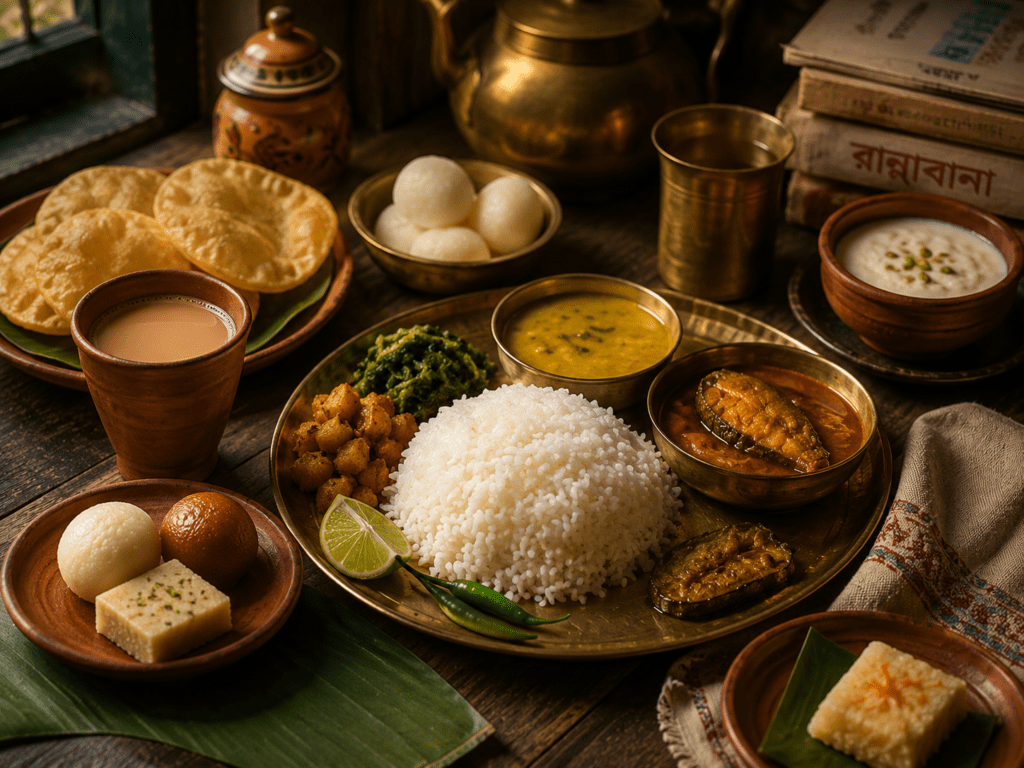
There is an unmistakable magic that happens when the aroma of toasted mustard seeds, kalo jeere, and shimmering mustard oil fills a kitchen. For anyone who grew up in a Bengali household, food is never just fuel. It is an emotion, an heirloom passed down through generations, and a vibrant story of trade, colonization, geography, and love.
Whether you live in a cozy apartment in South Kolkata or balance a fast-paced corporate life across the globe, the culinary roots of Bengal run deep. A plate of comforting macher jhol and hot rice can instantly take you home. Behind every iconic dish lies a forgotten tale waiting to be told.
Bengali cuisine is famous for its delicate balance of sweet and savory flavors. Its history is wonderfully complex. Centuries of maritime trade, dynastic rule, and riverine geography shaped the way people cook from the Sundarbans to the rolling hills of North Bengal.
During the ancient era, meals were simple. People relied on agrarian staples like lentils, local greens, rice, and fresh river fish. Later, the Sultanate and Mughal rule introduced rich gravies, aromatic ghee, fragrant rice, and elaborate meat preparations. Colonial settlers like the British, Portuguese, Armenians, and Chinese added their own flair, creating unique bakery traditions and street-side favorites in Kolkata. You can dive deeper into these distinct historic eras through the detailed historical archives on Wikipedia.
Understanding a traditional Bengali meal means looking at its rhythmic progression. A traditional spread is structured like a musical symphony to aid digestion and excite every sense.
The feast begins with Shukto, a bitter and soothing starter made with bitter gourd, raw bananas, and milk. It primes your palate for the rest of the meal. Next comes the comforting heart of the spread, hot Gobindobhog rice served with rich moong or masoor dal.
(Traditional Bengali Macher Jhol & Rice)
The highlight is always the Macher Jhol, a light and therapeutic fish curry cooked with Rohu or Hilsa and subtle spices. Before moving on to dessert, a tangy raw mango or tomato-date chutney cleanses your palate. You can discover these time-tested secrets and step-by-step guides inside our curated Traditional Recipes collection.
No journey through Bengal is complete without stepping into the sweet world of mishti. Kolkata is famous for spongy Rosogollas and creamy Mishti Doi, but the true art form was perfected over generations by master confectioners called moiras.
The introduction of chhena, or cottage cheese, during the Portuguese colonial period completely changed local confectionery. It paved the way for soft Sandesh and delicate Chamcham. Food historians at The Telegraph India often highlight how these historic colonial interactions transformed simple milk sweets into world-class art. If you have a sweet tooth, explore our nostalgic sweet heritage stories under Sweets.
When the afternoon sun dips below the horizon, Kolkata’s streets awaken with sizzles, spices, and chatter. Afternoon tiffin is a sacred ritual that bridges lunch and dinner with crisp snacks and hot tea. True culinary nostalgia lives on dusty pavements where you can bite into a hot, flaky Mughlai paratha wrapped in old newspaper while watching streetcars pass by.
Bengal’s street food brings together amazing textures and bold tang. Crisp Puchkas filled with spiced potatoes and tamarind water offer a burst of flavor in every bite. Succulent Kathi Rolls wrap flavorful skewered meats in light parathas, an iconic recipe born in the bustling office districts of Chowringhee. Simple puffed rice, or Muri, tossed with mustard oil and green chilies pairs wonderfully with hot onion fritters. To explore these lively street food trails and brewing traditions, hop over to our Street Food guide.
For modern Bengalis, cooking is an act of love and cultural preservation. It is about grinding fresh mustard paste on a stone shil-nora and getting the five-spice blend just right.
Food keeps us connected to our grandparents’ kitchen tables and welcomes loved ones home. Wherever you are in the world, a well-cooked Bengali meal brings you back to your roots.
Which Bengali dish brings back the fondest memories of home for you?
There is something rather amusing about Shukto. A Bengali meal can have fish curry, kosha mangsho, luchi, and several other

Fresh green peas, a gently spiced filling, and hot, puffed kochuris. Koraishutir Kochuri is one of those seasonal Bengali dishes

Bardhaman has a special place in Bengal’s food history, and two sweets have helped make its name familiar to people